
Let’s take a shallow dive into the deep pool of online Film Piracy and it’s effects on film studios and Cinemas.
** Please note, no links or names of popular piracy sites and/or applications will be shown or discussed here. **
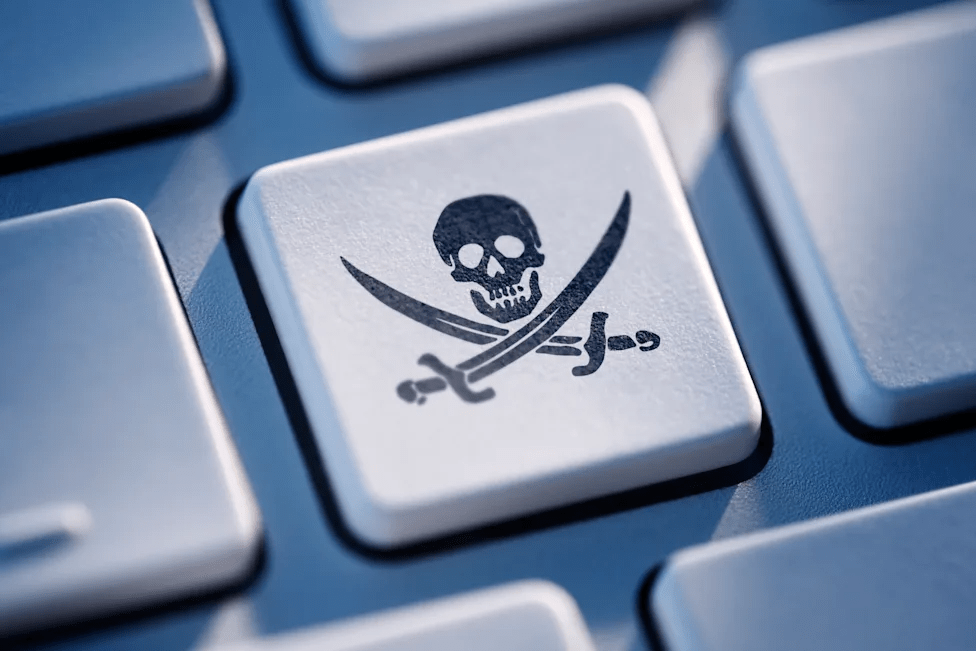
As a caveat to the above statement, I will be discussing defunct sites such as Napster and Megaupload, all of which are no longer available.
Piracy is nothing new, and has been around for a very long time. To give you a time perspective on this, I’m 51 years old, and I remember at the age of 10 watching the familiar white van travel up and down the roads of the town I grew up in, peddling pirated VHS tapes for rent from the back of it, and I lived in a very sleepy little town!
Yes, I saw many people queue up at the back of this van, waiting for someone to return that all important bootleg copy of the latest Star Wars film, et al.
Back then, bootlegs were exceptionally low quality, barely watchable and pretty much ruined the viewing experience for all concerned. Often, what you thought you were watching was something completely different. An example of this is where my Uncle dropped a bootleg copy of Snow White and the Seven Dwarfs off to my parents house. The next afternoon my Mum put the film on for me to watch. What I saw was not Disney’s Snow White and the Seven Dwarfs, but a far more…adult version! The tape was very quickly removed and destroyed. Mother was somewhat distraught and tore my Uncle a new back passage later that day. I had no idea what I had just witnessed, and sat on the floor in front of a static filled TV wondering what had just transpired.
I know, it’s a funny story and it’s very true. Yet there lies a moral to the story that’s just as important today as it was back then. We’ll get into that a little later.
Modern day piracy has plagued the entertainment industry for many years and ramped up to a massive scale with the introduction of message boards on the very early internet. Torrent sites and other file sharing sites began to dominate the piracy scene, and potentially within a few hours, you could be watching the latest cinema release within the comfort of your own home.
The largest file sharing site of it’s time was Napster, which primarily dealt with music files. Billions in lost revenue was attributed to this site, and eventually, through lawsuits brought about by Dr Dre and Metallica, Napster closed it’s doors and agreed to reparations in the tens of millions.
This, however, was just the tip of the iceberg. One of the largest file sharing sites of all time was Megaupload, owned by the extremist hacker known as Kim Dot Com (real name Kim Schmitz).

The new closed and defunct Megaupload.
Unlike Napster, Megaupload had it’s own servers where you could directly, and quickly download files. Napster, and many more sites like this, used the Peer to Peer, or P2P network. This meant that anything you downloaded was taken directly from other users systems.
Very quickly, copyrighted materials became available on Megaupload, and with much of it locked behind a subscription model, a small fee meant you were getting the latest releases.
The issues here are numerous. Firstly, most of the films you downloaded were of extremely poor quality. For example, one person would sneak in a camcorder into a cinema and film it covertly. Exceptionally poor video and audio quality were what you would mostly receive. This would completely ruin the viewing experience for the person watching it. Secondly, even though it was poor quality, the viewer would not go to see this at the cinema, which would impact revenue. Thirdly, it affected the studios who produced the films, often at a cost of many tens of millions.
Yet there is a much darker side to illegally downloading films, and that is the criminal aspect. Yes, it’s a criminal offence to download and own copyrighted pirated material, but the issues extended beyond that. Organised crime found that this black market would be able to fund them better than what had come before it, such as prostitution, drugs and extortion. The sales of these illegal films allowed these gangs to purchase drugs, weapons, ammunitions and even explosives.
One of the most highlighted organisations that profited greatly from illegal material, was PIRA (the Provisional Irish Republican Army) as well as a group called D-Company from South Asia. While these groups have been taken down, and no longer operate in the way they did, or at all, piracy for Hollywood and studios across the globe remains a substantial issue.
Sites like Napster which are P2P still exist today, but with many Internet Service Providers blocking these sites it’s very difficult to obtain via this method. There are work-arounds, but I won’t go into those here, or anywhere else for that matter.
As technology improves so does the means in which to procure illegal content. One of such ways is via YouTube, with account holders posting pirated films and TV shows. Many of which go undetected by YouTube until it’s too late.
So, what’s the knock-on effect to both you, and me? The answer is simple. Studios produce less content, with some productions suffering in quality. Some studios simply close their doors because the loss is unrecoverable. So, what we could have been looking forward too in the near or distant future could be jeopardised by piracy. The most noticeable effect, is the cost of showing the film at your local cinema. Cinema chains pay in excess of 70% of the ticket price to the studio when showing their films. This is much higher than what it used to be 20 years ago. So, it’s simple economics when chains increase their prices to make a marginal profit from your visit. It’s here that the vicious cycle is completed, where in a cost of living crisis, ordinary people have less and less money, and so, turn to illegal means.
This is a continuing, repetitive process that will never break, because the ease of acquiring illegal content has become so much easier with the advent of the internet. The internet is not entirely to blame, but as a tool, it has been instrumental in loosing studios billions every year, and that’s just the tip of the iceberg!
What is downloaded, may not always be what you think it is! And this harks back to my little story at the start of this piece. The implications of downloading illegally acquired content can be dangerous and catastrophic when accessing the darker sides of the internet, and they usually look very open and inviting.
It has been well documented that users have downloaded a film, only for it to be a piece of Malware, Spyware or Ransomware which results in your sensitive information being stolen. These software’s essentially leave a vulnerable door open in your system, allowing anyone with access to see, and steal your personal information, and even your online banking details. Long gone are the days where a dodgy tape may not be the title you expected. Now, we have the potential to have our lives utterly decimated.
The big question is; Is it worth it?
I think the answer is obvious. You may get away with downloading your films and shows without a hitch, but what you are doing is out-and-out theft. Your supporting criminality and becoming a part of the widespread problem. People loose jobs as a domino effect, both in the studios, and in the cinemas. The economy suffers as the entertainment industry falters.
Streaming does not help matters, but this is a legal and constructive way to view your content compared to the alternative. But even this harms the film industry. The future of the modern cinema hangs by a thread.
For a dive into how streaming effects cinema’s, visit Martin’s post on the subject using the link below.
Thanks for reading, and I’ll see you in the next post.

You must be logged in to post a comment.